
Gynecomastia - Causes, Diagnosis & Treatment
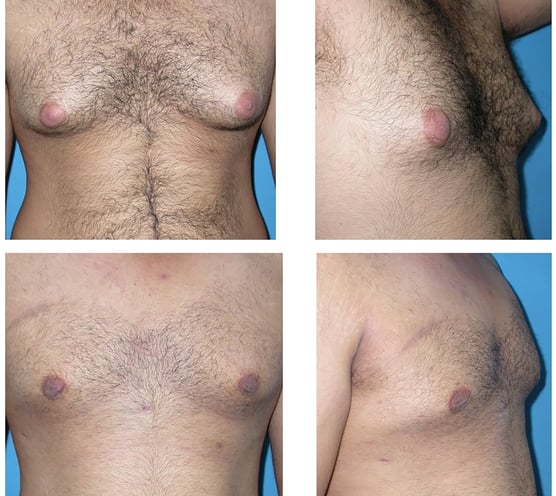
Gynaecomastia, often called “man boobs,” is a condition where men develop excess breast tissue. While it might feel embarrassing or frustrating, it’s actually quite common and, in most cases, treatable. Here’s what you need to know about gynaecomastia, its causes, and how it can be addressed.
Dr RK Sharma
2 min read
What Causes Gynaecomastia?
Gynaecomastia occurs when there’s an imbalance between testosterone and estrogen. This can happen for several reasons, including:
Age related Hormonal Changes:
Testosterone naturally decreases as men age, making the condition more common in older men.
Medications and Substances:
Medications like antidepressants, anti-anxiety drugs, steroids, or certain heart medications can contribute. Substances like alcohol, marijuana, and anabolic steroids are also linked to gynaecomastia.Underlying Health Issues:
Conditions like liver disease, kidney failure, obesity, or hormonal imbalances caused by thyroid problems can trigger the condition.
Grades of Gynaecomastia
Doctors classify gynaecomastia into four grades based on its severity.
Grade 1 – Mild:
Small enlargement localized around the nipple area with minimal excess skin.Grade 2 – Moderate:
Enlargement extends beyond the nipple but without significant excess skin.Grade 3 – Severe:
Significant enlargement with noticeable excess skin and mild sagging.Grade 4 – Very Severe:
Prominent breast tissue with excessive sagging skin, resembling a female breast.
Treatment Options for Gynaecomastia
The choice of treatment depends on the underlying cause, grade, and your personal goals.
Non-Surgical Treatments
Lifestyle Changes:
For obesity-related gynaecomastia, losing weight through a balanced diet and exercise can reduce excess fat, though it may not resolve glandular tissue growth.Medication Adjustments:
If medications are contributing, your doctor may explore alternatives.Hormone Therapy:
For cases caused by hormonal imbalances, treatments to normalize hormone levels may be effective.
Surgical Treatments
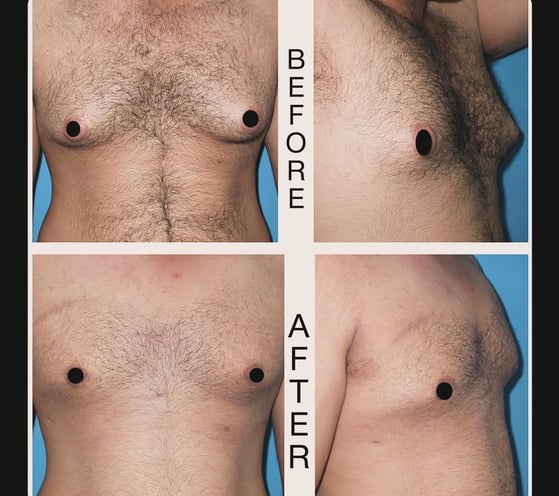
Surgery is the most effective option for moderate to severe gynaecomastia, particularly for Grades 2–4. The two main surgical techniques are:
Liposuction:
What it Does: Removes excess fat deposits around the chest. It’s best for cases with minimal glandular tissue.
Recovery: Most patients return to light activities within 3–5 days and resume normal routines, including exercise, in 4–6 weeks.
Mastectomy (Tissue Excision):
What it Does: Removes glandular breast tissue and excess skin. This is the preferred option for Grades 3–4 or cases with significant sagging.
Recovery: Recovery is slightly longer, with most patients returning to light activities in about a week and more vigorous activities in 6–8 weeks.
Both procedures are typically performed under general anesthesia and leave minimal scarring, as incisions are usually made discreetly around the nipple or chest.
What to Expect After Surgery
Immediate Post-Surgery:
You may experience mild swelling, bruising, or discomfort, which can be managed with prescribed pain medications.
A compression garment will be provided to reduce swelling and support healing.
Long-Term Recovery:
Most swelling subsides within a few weeks, but final results are visible after 3–6 months.
Scars fade significantly over time, especially with proper aftercare.
Lifestyle Adjustments:
Avoid strenuous activities and heavy lifting for at least 4–6 weeks.
Follow your surgeon’s advice on resuming workouts or other routines.
Final Thoughts
Gynaecomastia is a treatable condition, and there’s no need to feel self-conscious about seeking help. Whether it’s mild or severe, treatment options are available to restore your confidence and help you feel your best.
If you think you might have gynaecomastia and want to explore treatment, contact us for a consultation today!
Location
Paras Hospitals
Hours: 9AM - 6PM
Contact: +91
Email: drsharmark@gmail.com
any questions ?